
Getting Your Hands Dirty - The Root of Historic Preservation
There’s a particular kind of understanding that only comes from getting your hands dirty. Not metaphorically—literally. Dust under your fingernails, the smell of old timber and damp masonry, the quiet thrill of uncovering something that hasn’t seen daylight in decades. That’s exactly what happens when you begin to explore the physical condition of a 100-year-old building like the Snead State Administration Building.
On paper, a building assessment can appear clinical: measurements, notes, photographs, checklists. In reality, it’s an act of exploration. You climb into basements and crawl spaces where the air is heavy and still, peel back layers of finishes applied generation after generation, and trace cracks and joints that tell stories far older than any set of drawings. Every scuffed stair tread and worn door frame bears evidence of the thousands of hands and feet that came before yours.
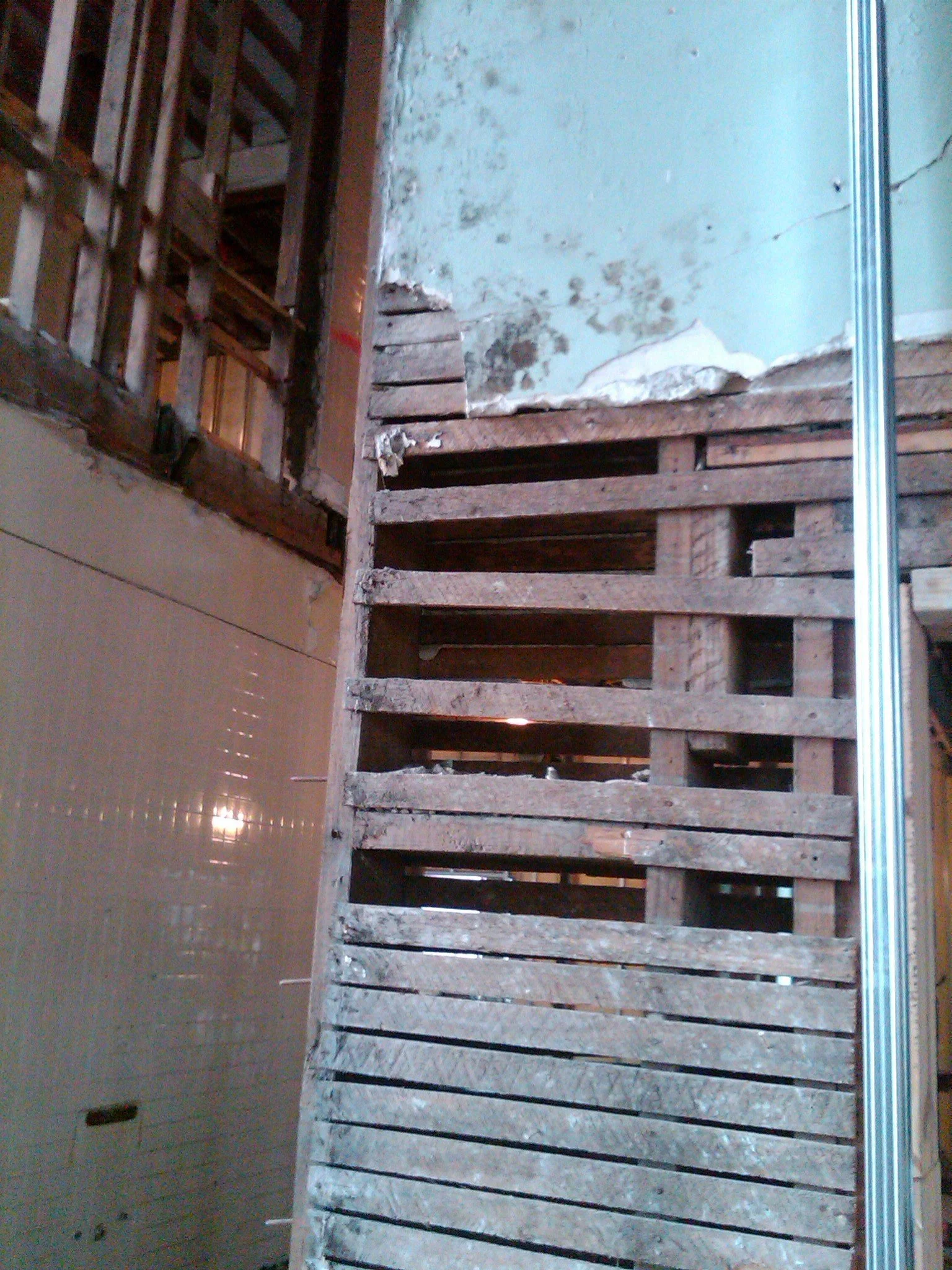
The Snead State Administration Building reveals its history slowly—but generously—to those willing to look closely. Behind modern finishes are construction techniques from a bygone era: hand-laid brick with irregular mortar joints, massive timber members sized by rule of thumb and barn-framing experience rather than computer models, and plaster walls reinforced with horsehair and wood lath, still remarkably intact after a century of service. You begin to see how builders solved problems with the tools and materials available at the time, relying on experience, intuition, and craftsmanship.
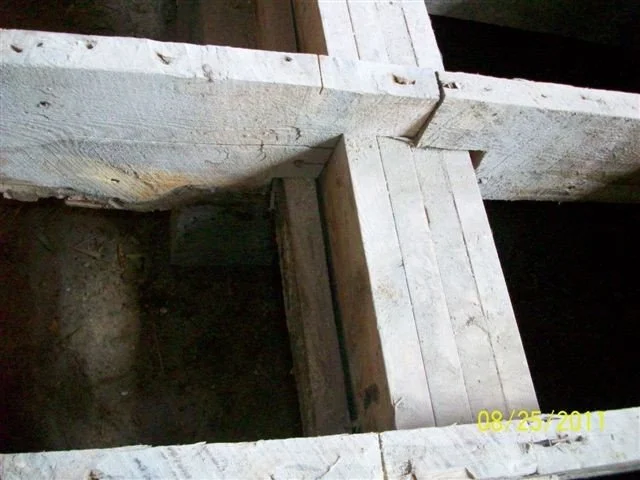
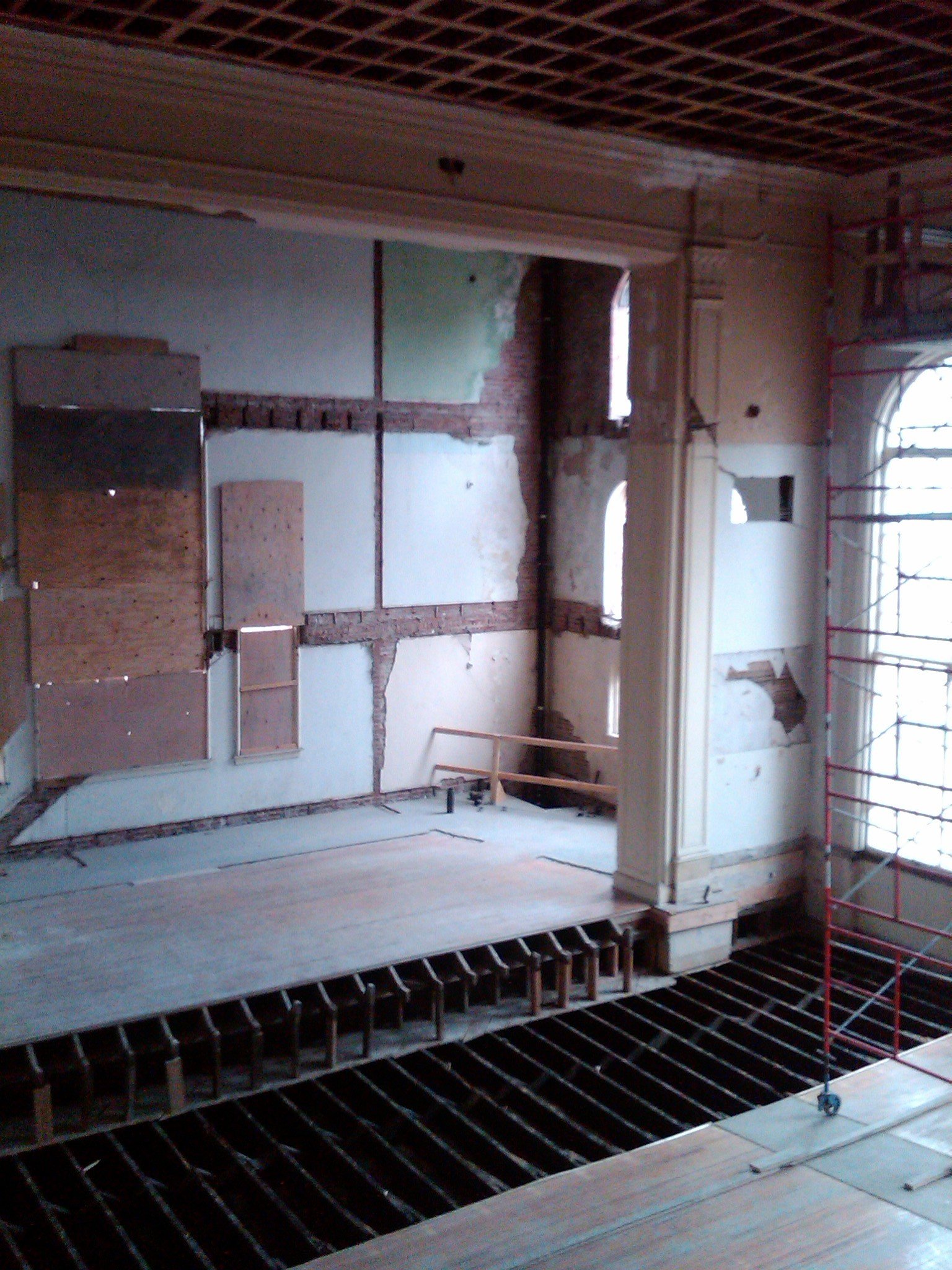
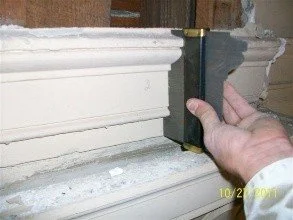
There are moments of genuine surprise. What appears at first to be a singular architectural monolith was actually constructed in three separate phases over a 20-year period. The northernmost wing, Fielder Auditorium, was built first and stood as the first performance hall on Sand Mountain. The southernmost portion of the building was, in fact, built twice after the original structure was lost to a lightning strike. Pencil marks on framing members—layout lines or notes left behind by workers who never imagined their efforts would be examined a century later—add another layer of intimacy. These discoveries transform the building from an object into a narrative, layered with decisions, adaptations, and improvisations.
Getting your hands dirty also means confronting reality. Not everything uncovered is charming or romantic. There are areas of deterioration, water damage, and well-intentioned but flawed past repairs. Yet even these conditions tell an important story about how the building has aged, how it has been cared for during lean times, and what it will require to continue serving future generations.
Ultimately, exploring the physical condition of a historic building is an act of respect. It demands slowing down, paying attention, and engaging directly with the fabric of the structure. In the Snead State Administration Building, that hands-on process doesn’t merely reveal problems to solve—it uncovers a century of hidden history, reminding us that preservation begins with understanding, and understanding begins by getting your hands dirty.